
Skip to content
University of Bristol logo

Engineering Biology at Bristol

Biomolecules to biosystems, from understanding to design

  • Blog
  • Contact

Category: Public Engagement

Identifying plants and fungi using DNA: citizen science with the Bento Lab

Posted on May 13, 2022May 13, 2022 by wayne.powell

As part of City Nature Challenge 2022, a team of PhD candidates at the University of Bristol have led hands-on, family-friendly public engagement activities explaining how the cutting edge science of environmental DNA (eDNA) sequencing can be used to identify local wildlife. DNA sequencing has been taking place in universities and research labs for half a century, but the Bento Lab – a portable, hand-held DNA lab – is allowing citizen scientists to study the DNA of living things around them. The University of Bristol team used a series of escape room-like activities to bring to life the processes involved in using the Bento Lab.
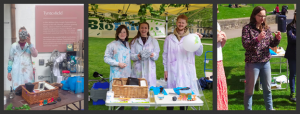
Three photos of the students leading the activities
The activities took place in Queen Square, Castle Park and Tyntesfield in Bristol, and were led by (l-r) Matt Tarnowski, Claire Noble, Hannah Langlands, Harry Thompson and Rosie Maddock.

An activity introducing the microscopic world of biology at our fingertips
DNA can be collected from inside an organism’s cells in a process that is a bit like popping a balloon. This was the first task to participants had to do – the balloon had been filled with the letters G, T, C, A to represent DNA – and they then extracted the ‘DNA’ using a pipette. As it is hard to study DNA from so few cells, a polymerase chain reaction (PCR) is used to amplify a particular DNA sequence within the cells. Attendees had to figure out how the PCR process works using coloured dominoes, and all succeeded in understanding that it involves repeatedly doubling the targeted DNA.

This amplified DNA can be selected using gel electrophoresis, which was demonstrated using a noisy rain-stick. The final step is sequencing the DNA, and participants enjoyed donning a cape to give them the ‘superpower’ of being able to read DNA. Since these lab tasks would take hours with the Bento Lab, environmental samples that were brought along were taken away for identification, and attendees will be notified of their species once analysed.
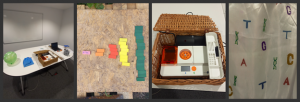
Four photos of the equipment used for the activities
Interactive activities brought eDNA sampling, PCR, the Bento Lab & DNA sequencing to life (l-r)

Putting the mobile eDNA lab to the test
Some creatures, such as fungi or microorganisms, can be hard to spot, yet play essential roles in the environment. The next stop for the Bento Lab is to assess fungal diversity at a site of ecological restoration. The Refungium at Coed Talylan in Wales aims to foster the highest diversity of fungi in the UK. The Refungium will be a refuge for native mushrooms, and studying the fungi there with the Bento Lab will inform restoration of this 15-hectare semi-natural woodland.

Would you like to host the eDNA lab?
We welcome opportunities to share this portable workshop, be it at a school, college, university or festival. With activities for all ages, this citizen science experiment has the potential to inspire the next generation of bioscientists and stewards of the environment. As well as learning how eDNA studies work, it opens up conversations about genetics, synthetic biology, ecology, microbiology, sustainability, climate change and responsible research. These themes mesh with the sustainability and climate change strategy recently shared by the UK’s Department for Education. If you would like to host the eDNA lab, please write to us.

Matthew Tarnowski, Claire Noble, Hannah Langlands, Rosie Maddock and Harry Thompson developed this project, which was funded by the EPSRC/BBSRC Centre for Doctoral Training in Synthetic Biology (SynBio CDT) Outreach Award.
Posted in Bristol BioDesign Events, Bristol BioDesign News, Public Engagement, SynBioCDT1 Comment on Identifying plants and fungi using DNA: citizen science with the Bento Lab

The people behind the COVID-19 research efforts at Bristol

Posted on April 27, 2021April 28, 2021 by k.sedgley

Over the past year the BBI have contributed expertise, equipment and resources to support UNCOVER, Bristol University COVID-19 Emergency Research Response Group. 

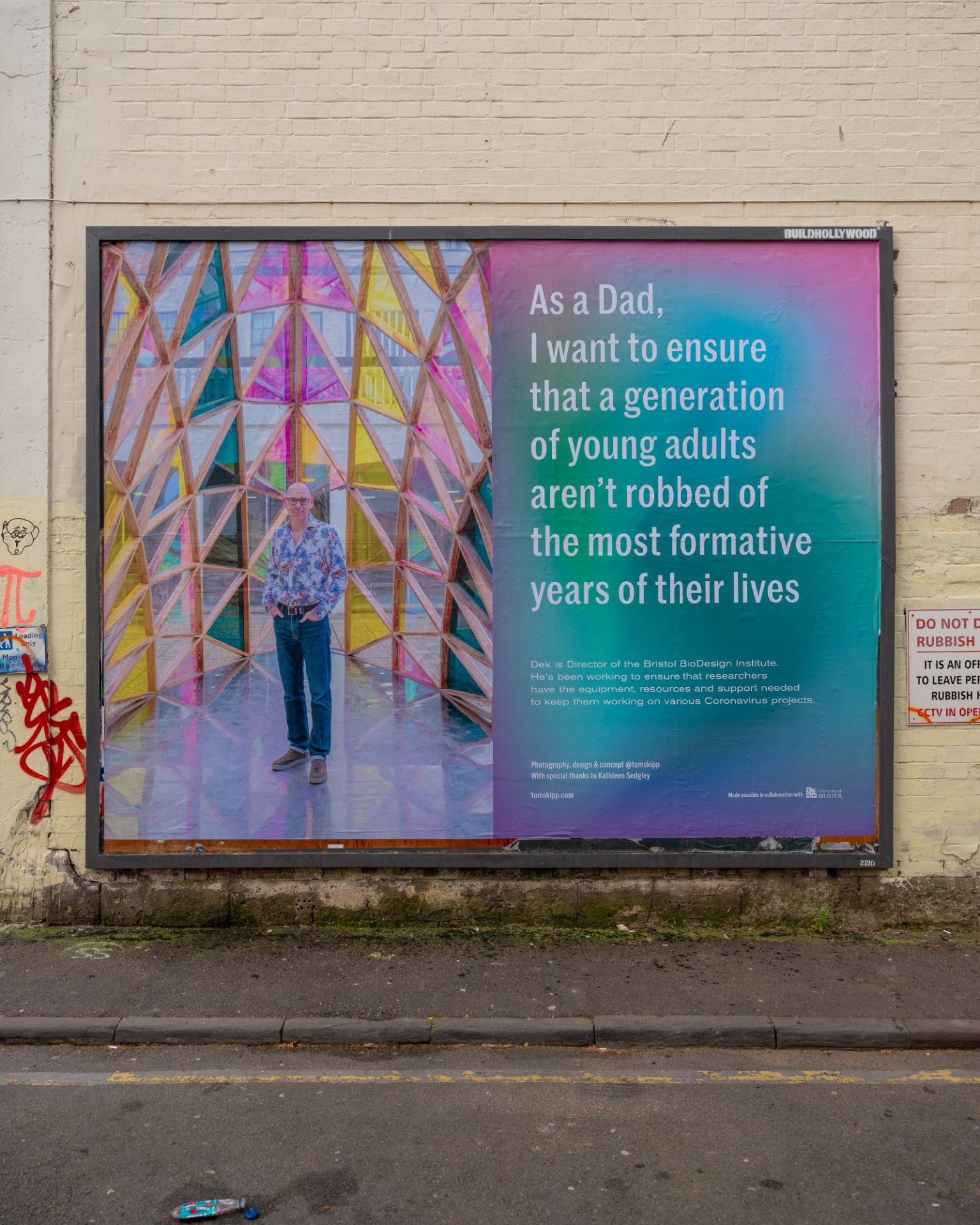
Bristol based photographer Tom Skipp has captured portraits of some of the people involved, including BBI Director Dek Woolfson. Tom was motivated to tell the human stories behind the people at Bristol who are playing an important role in global efforts to overcome COVID-19.

A series of these portraits are part of a billboard campaign on show at various locations across Bristol until the 9th May.

  • 92-98 Kingsland Road, BS2 0QZ – Drs Ore Francis, Research Associate, and Rajeka Lazarus, a consultant in infectious diseases and microbiology at UHBW
  • 28 Stapleton Road, BS5 0QX – Dek Woolfson, Professor of Chemistry and Biochemistry and Director of the Bristol BioDesign Institute
  • 34 Ashley Road, BS6 5NS – Adam Finn, Professor of Paediatrics at Bristol, Director of the Bristol Vaccine Centre at Bristol Medical School and lead of Bristol UNCOVER Group
  • 265 Church Road, BS5 9HU – Dr David Mathews, Reader in Virology
  • Electric Ladyland, Trinity Road, BS2 0FJ – Dr Christy Waterfall, Senior Research Associate

Image credit: Tom Skipp 

Tom Skipp: Web | Instagram

Posted in Public Engagement, Uncategorized

Gateway to innovation: Lessons from Transforming UK Translation

Posted on April 23, 2020April 23, 2020 by agatha.hewitt

About the conference:

David Tew
David Tew

On the 31st October 2019, the Transforming UK Translation conference was held, bringing together Universities and Research Institutes to exchange ideas on bridging industry with academia. Hosted by the Royal Society, the Academy of Medical Sciences, the Royal Academy of Engineering and the Wellcome Trust, this one-off event was designed to address eight commitments in the Transforming UK Translation 10-year plan. Commitments from the hosts include opening training and development opportunities, fostering a system that rewards translation as part of research excellence, and that all work produced will have wider societal benefits.

Dek Woolfson
Dek Woolfson

There were over 200 people in attendance, including our Royal Society Entrepreneur in Residence, David Tew, and BBI Director Prof Dek Woolfson. Meetings throughout the day consisted of talks, workshops and round table discussions with key stakeholders to address industry-academia engagements, their mutually beneficial partnerships and how to attract and train the right talent to drive these engagements.

A well-oiled machine: Lessons from Cambridge

An instance of successful translation is The Cambridge Department of Computer Science and Technology. In 20 years, they have founded over 270 companies. More than half of these are still active in 2020 with combined revenues of $1 billion and upwards. Their translational strategy is successful for several reasons:

  • Staff are encouraged by the department to be both entrepreneurs and academics simultaneously, which creates spin-outs and attracts business-minded researchers to the University in a continuous loop.
  • All negotiations regarding Intellectual Property are dealt with outside of the University to maintain positive relationships between entrepreneurs and businesses.
  • Entrepreneurial staff are encouraged and willing to mentor other industry hopefuls to create a supportive working environment. Friendly competition is welcomed with annual prizes given out.
  • Academics have space to develop companies more and publish a little less.
  • The department launches as many prospective businesses as possible rather than being selective. They aim to reduce negotiation time between all parties to help drive the quantity of start-ups.
  • The ‘golden share’ method is utilised when negotiating start-up contracts, where the University owns 2-3% of a company, but has control of at least 51% of the voting rights. This model is far easy to negotiate, is quicker to sort contracts and doesn’t dilute the University’s stake in the business.

For companies relatively new to the start-up businesses, like Bristol, there are a lot of lessons we can learn from this model. Having only started our first BrisSynBio spin-out in 2017, Bristol University is in its early stages of transforming translation.

BrisSynBio: The new kids on the block

At the conference, BrisSynBio at the University of Bristol was used as a successful example of thriving industry-academia collaboration. BrisSynBio is one of only six Synthetic Biology Research Centres in the UK, funded by BBSRC and EPSRC. BrisSynBio’s research focuses on aspects of biomolecular design and engineering and applying these in the field of synthetic biology. An Innovation Manager post was created to translate novel areas of synthetic biology research into real-life application. There are four UoB spin-out companies; Cytoseek, Imophoron Ltd, Rosa biotech and Zentraxa, specialising in synthetic biology research, including cell therapies, new vaccine candidates, biosensing technology and bioengineering pharmaceuticals respectively. Their combined successes have led to millions of pounds of translational funding from angel investors and venture capitalists, overseen by Dr David Tew.

Lessons from Transforming UK Translation:

How to attract, train and retain the right talent was an important take-away message from the conference. Currently, collaborations rely heavily on personal networking to enable industry-academia interactions. There is a need to hire full-time ‘connectors’ to create an obvious digital ‘gateway’ that either party can contact. Also, encouraging the mobility of people between academia, start-up companies, industry and incubators will benefit the innovative ecosystem function with less conflict and more healthy competition. To incentivise academics to innovate, Universities need to recognise knowledge share and transfer of technology as a positive output.

As well as negotiating intellectual property of academics, cultivating long-term, trusting relationships is of equal importance. The amount of student industrial placements, sponsored PhDs and apprenticeships should be increased to build healthy business partnerships. A thriving knowledge economy should be the goal of businesses and academics, and all parties should encourage the sharing and application of ideas beyond the academic setting wherever possible.

Finally, it’s important not to consider translation as commercialisation alone. Translation does not revolve only around the spinout of companies through innovative ideas- long-term professional partnerships are just as significant. We should propel the collaborations between technology-driven companies and academic institutions, using the innovative ability of the former and the research of the latter in a way that both sides may sustainably benefit.

——————————————————————————————————————————–

Posted in Bristol BioDesign News, Public EngagementTagged BioDesign, BrisSynBio, Bristol BioDesign, Spin-Outs, synbio, Synthetic Biology

“A different kind of BioDesign” by Claire Noble

Posted on September 6, 2019September 6, 2019 by agatha.hewitt

“As the pub with the closest proximity to the University of Bristol Biochemistry Department, the Robin Hood on St. Michael’s Hill is fortunate (or unfortunate) enough to be subjected to high concentrations of biochemists.

I’ve always believed that visual art is a great way to get people interested in and engaged with scientific discoveries. A great picture can be a far better way to get a concept across than words alone. After this year’s Research without Borders festival, the Robin Hood kindly agreed to put up the outreach poster I had designed for the event.

A couple of weeks later the pub’s manager, Ben, asked me if I would consider doing a biochemistry themed mural for the pub. The Robin Hood has lots of lovely walls were far too nice to ruin. However, he has clearly developed Stockholm Syndrome, and after years of an overwhelming biochemist presence wanted some artwork that represented the strong ties between his pub and the Biochemistry Department. Once I had ascertained that I was actually going to be allowed to paint on the walls, I got to planning.

(The finished painting)

As a heme protein biochemist, it seemed only fitting to have the classic hemoprotein horseradish peroxidase as the central object of the mural, it being a protein that is crucial to the survival of nearly all living things. Surrounding it are many different elements, that still only represent a fraction of the wide range of research themes found at Bristol. I’ve already had feedback from some researchers hinting at their latest work, so a second mural may be in order…

Many thanks to my supervisor Dr. Ross Anderson for letting me take the time to do the mural, and to the Bristol BioDesign Institute for helping fund some of the materials!”

by Claire Noble

Posted in Public EngagementTagged #synbio #sciart #publicengagement #biodesign #bristolart #researchwithoutborders #hemoprotein

A synthetic biologist goes to an art gallery

Posted on May 16, 2019September 6, 2019 by k.sedgley

Fabio Parmeggiani, BrisSynBio and EPSRC Fellow in Synthetic Biology 

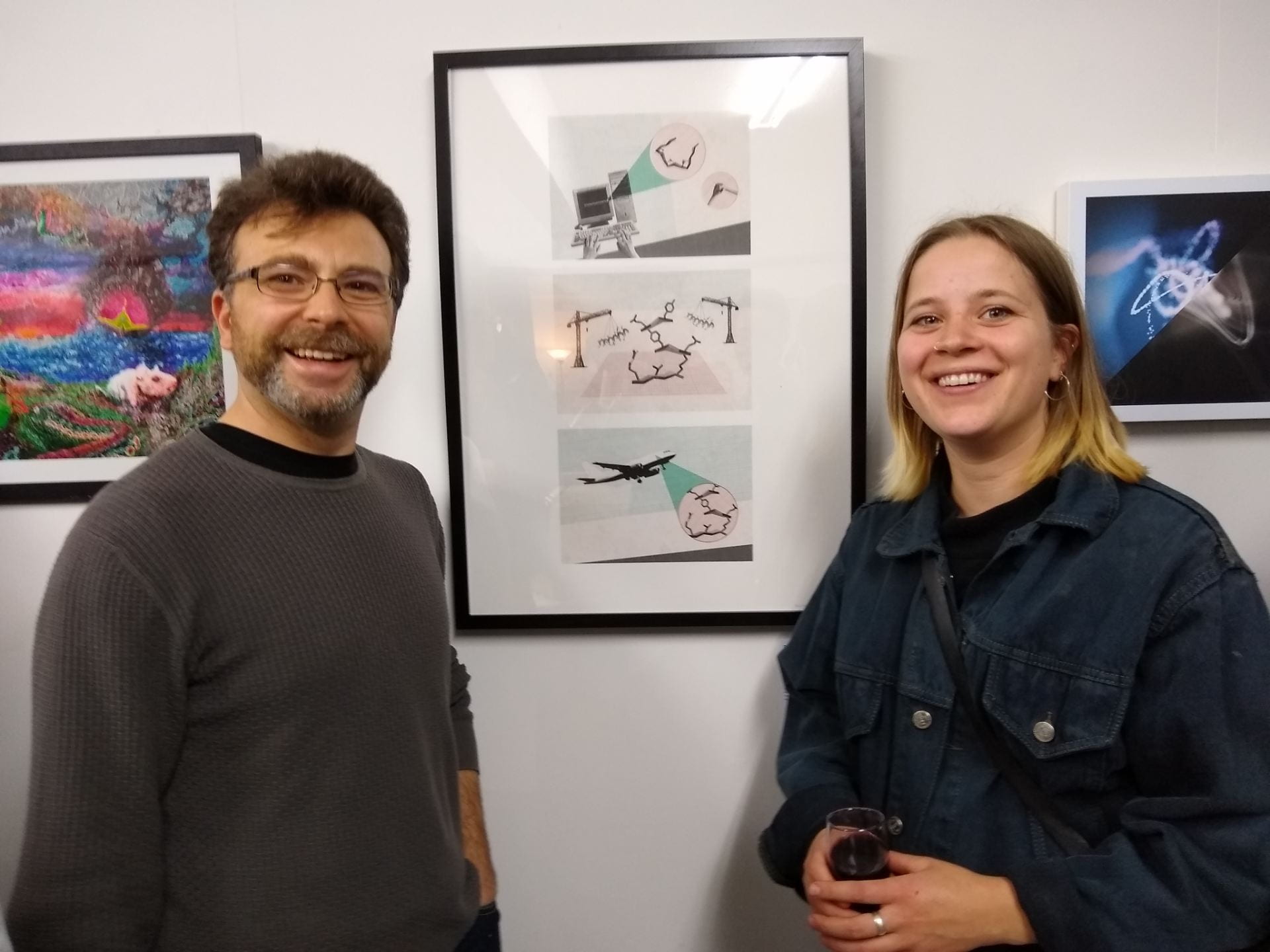
On May 2nd I walked in into the North street gallery to see a first for me: a piece of art inspired by my work. And I was not alone. The room was buzzing with scientists, artists, friends and visitors who got together to see the Creative Reactions exhibition, a project that explores the relationship between science and art with 50 art pieces inspired by the collaboration between scientists and artists.

The piece I have been contributed to was “Designing proteins”, a collage that draws inspiration from the design and manufacture of proteins in the field of synthetic biology.

I was proud of the work done by my partner in crime, Rosie Carmichael as it came up from our replies to the organisers that were asking us about our work and our impressions on the collaboration. I think we both started with separate ideas about what we wanted to say and worked to get to a midpoint that at the end was much more compelling that our initial ideas. And I think this process has helped us to become more aware of what and how we communicate and how much work is involved in each other’s job.

Creative reaction was a wonderful experience as a scientist and it will capture the eyes and the mind of all the visitors they will come and see the exhibition, because of its diversity of themes, styles and ways of communication.

Definitely go and check it out. Your eyes, your brain and your soul will thank you.

  • Science from Fabio Parmeggiani, BrisSynBio and BBI research fellow http://www.bristol.ac.uk/brissynbio/people/fabio-parmeggiani/index.html
  • Art from Rosie Carmichael http://www.rosiecarmichael.com/
  • Organisation by Creative Reactions Bristol Creative Reactions Bristol

Creative Reactions Events

Northstreet Gallery from from Thursday 2nd May to Sunday 19th May 2019

The Island from Monday 20th May to Saturday 1st June 2019

https://pintofscience.co.uk/event/creative-reactions


Posted in Bristol BioDesign News, Public Engagement

Become a Biological Engineer Kicks-off in Bristol

Posted on February 25, 2019September 6, 2019 by clare.williams

“Become a Biological Engineer” event at St Pauls Community Centre

Emily Phelps

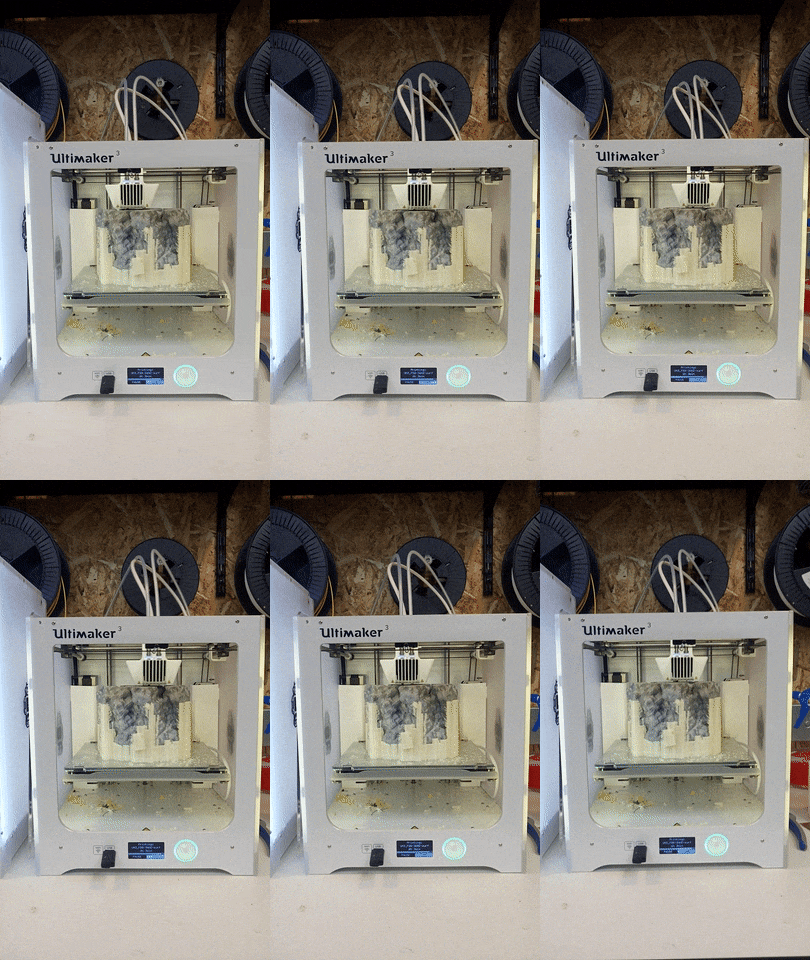
Biological Science event and 3d printer at work
3d printer at work

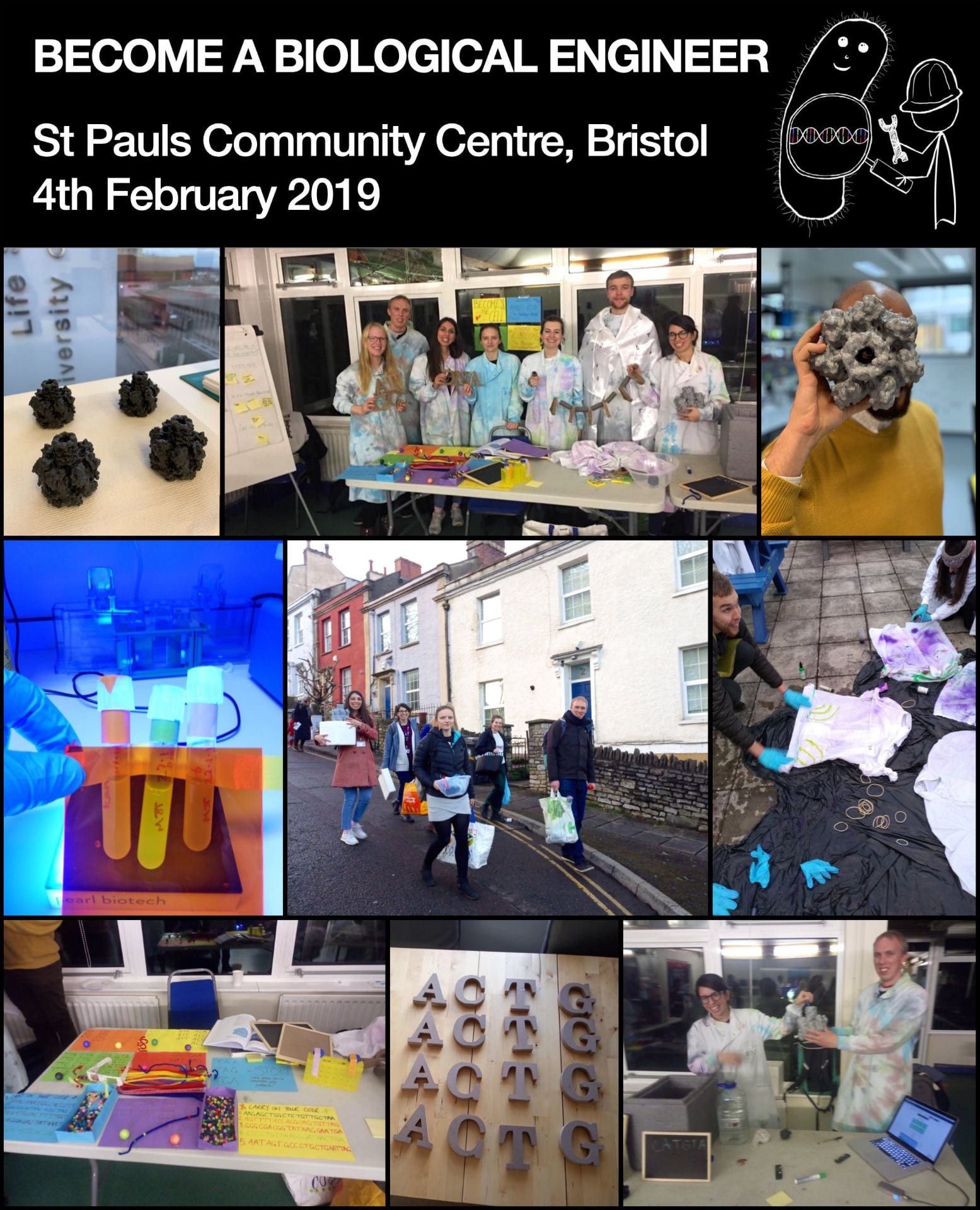
On the 4th of February, the “Become a Biological Engineer” team attended their first event in St Pauls Community Centre. This saw more than 30 children aged 9 and upwards attend from schools around the local area.

At the event, children began by becoming a DNA sequencer – “feeling” the individual “letters” of a DNA molecule to decipher the message. The activity mimics the way bioengineers use a method called nanopore sequencing to read both native and artificial DNA in living cells.

With their new sequence in tow, the children next learnt about how a DNA sequence is converted into a protein – the molecular machines of a cell. Using beads and a pipe cleaner, the children translated their DNA sequence into the individual amino acids that made up their protein and discussed how bioengineers program cells to synthesise their own engineered proteins to give them new capabilities.

Having gained an understanding of the basic cellular processes used by bioengineers, the children were finally treated to a live sequencing demo with a tiny hand-sized MinION nanopore sequencer from Oxford Nanopore Technologies. They were also allowed to play with a 3D printed model of the device, which used changes in the flow of water through the model to demonstrate how each nanopore senses DNA.

Before leaving, the children were asked about whether they thought they could make a good bioengineer and if they could sequence the DNA of any organism what would it be? The latter question provided some interesting answers including a pet fox and a ginger beer plant!

Overall the event was a great success with lots of interest from the children and teachers. The overarching aim of the project is to help the public better understand the approaches and benefits of bioengineering and for scientists to learn what the public feels is an appropriate use of this technology. It also hopes to inspire those from disadvantaged backgrounds and break down barriers to learning about science. Later in the year the team will be attending both the City Nature Challenge and the Festival of Nature, as well as visiting schools from around Bristol as part of an exciting new citizen science project where roles will be reversed and the children will become the scientists!

Become a Biological Engineer is generously funded by a Royal Society Public Engagement Grant and supported by a team of volunteers from Schools across Bristol BioDesign Institute: Biological Sciences (Matthew Tarnowski, Gilda Varliero, Veronica Greco, Thomas Gorochowski, Katherine Chapman, Emily Phelps), Biochemistry (Rosie Maddock), Engineering (Vittorio Bartoli). If you are interested in helping at future events or just finding out more, contact matt.tarnowski@bristol.ac.uk.

Become a Biological Engineer Event
Become a Biological Engineer


Posted in Public EngagementTagged biological engineer, DNA sequence, Gorochowski, nanopore

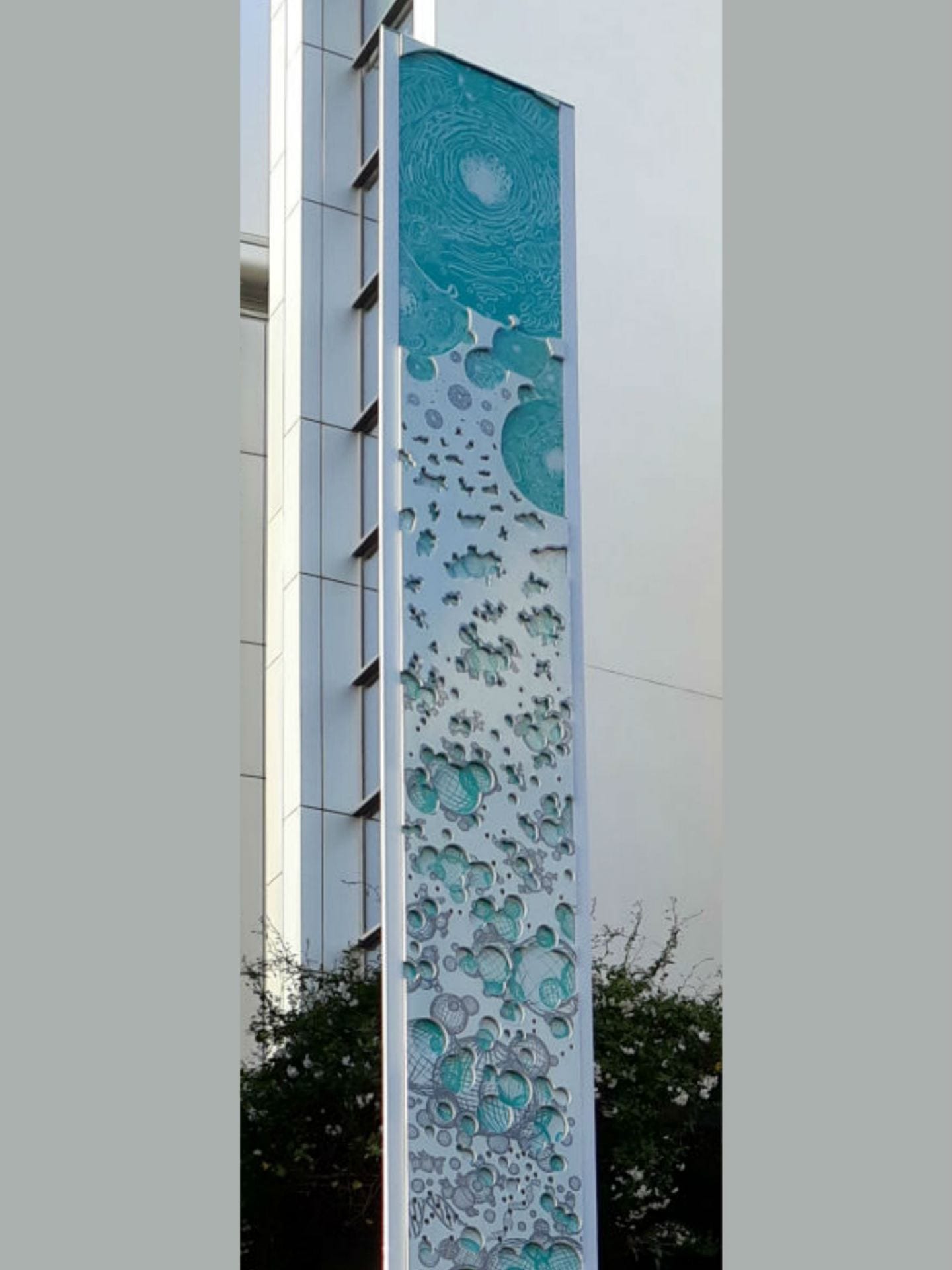
Bristol BioDesign Totem

Posted on October 31, 2018September 6, 2019 by clare.williams

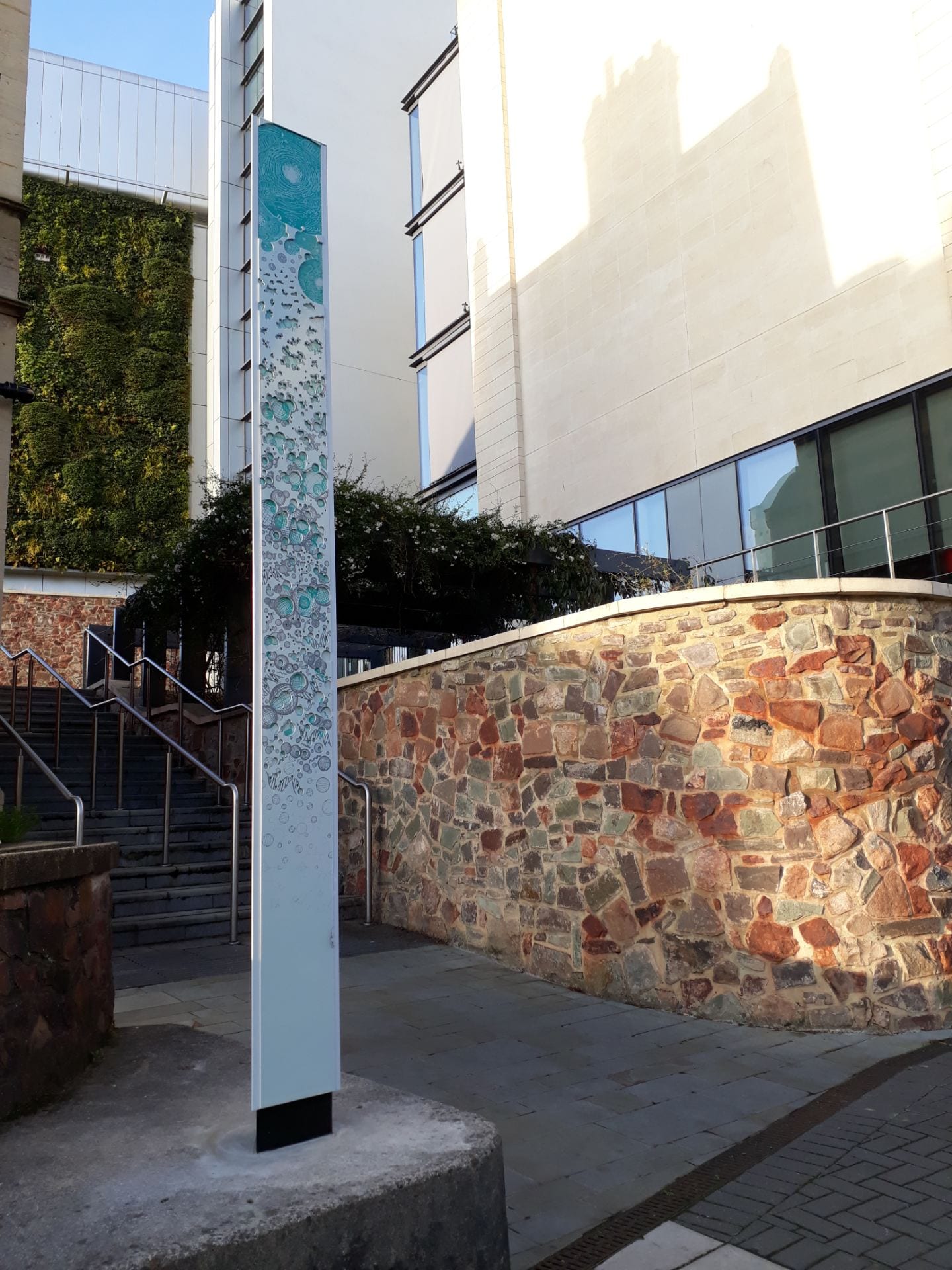
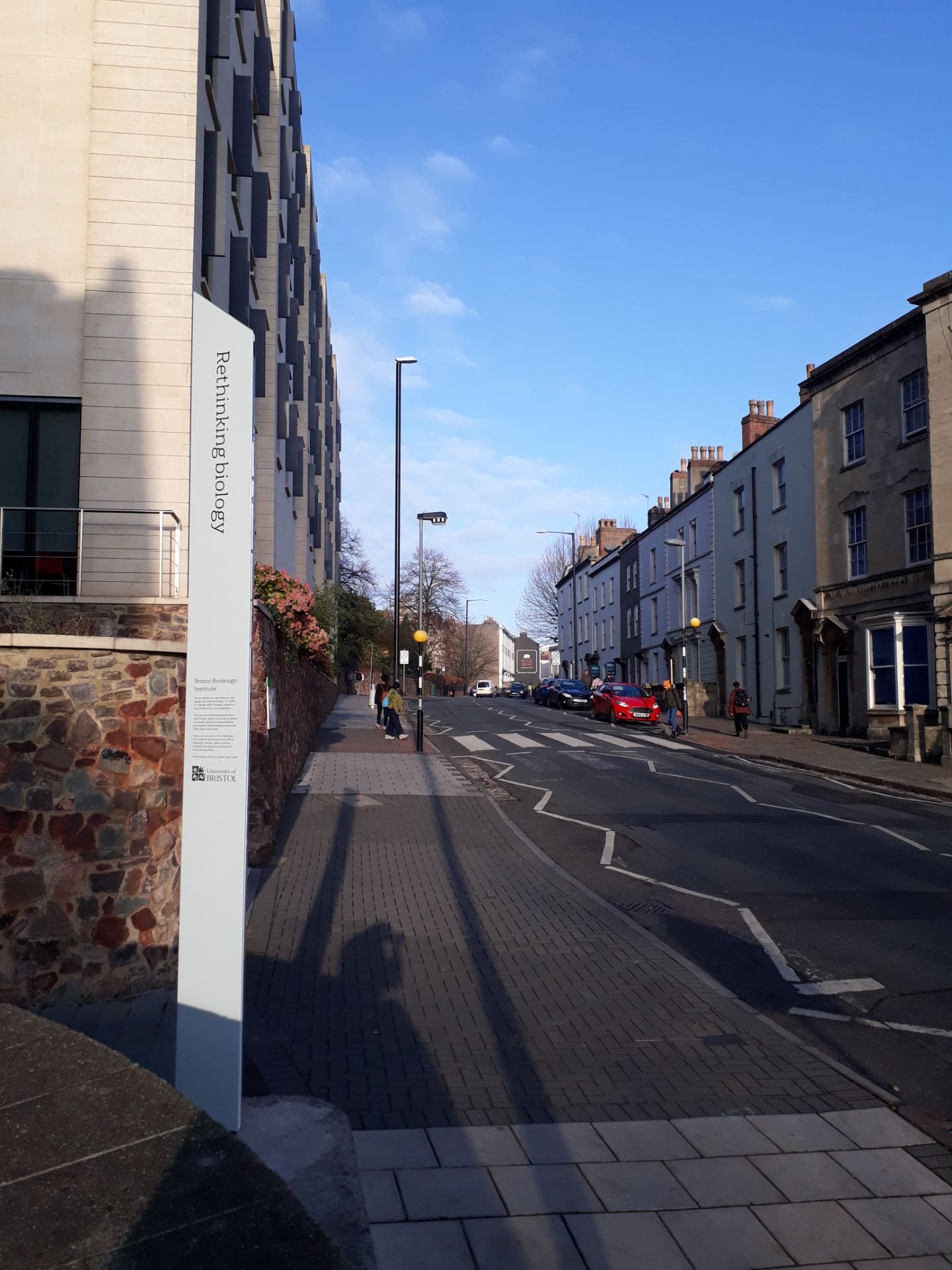
Rethinking biology

In pictures

  • Bristol BioDesign Institute Totem | Rethinking Biology
    Bristol BioDesign Institute Totem | Rethinking Biology
  • Bristol BioDesign Institute Totem | Rethinking Biology
    Bristol BioDesign Institute | Revolutionary research
  • Bristol BioDesign Institute | University of Bristol | Life Sciences Building
    Bristol BioDesign Institute | University of Bristol | Life Sciences Building
  • Design for BBI Totem
    Design for BBI Totem
  • Rethinking Biology | It's impact in modern life
    Rethinking Biology | It's impact in modern life

Design by Claudia Stoker, Vivid Biology http://vividbiology.com/

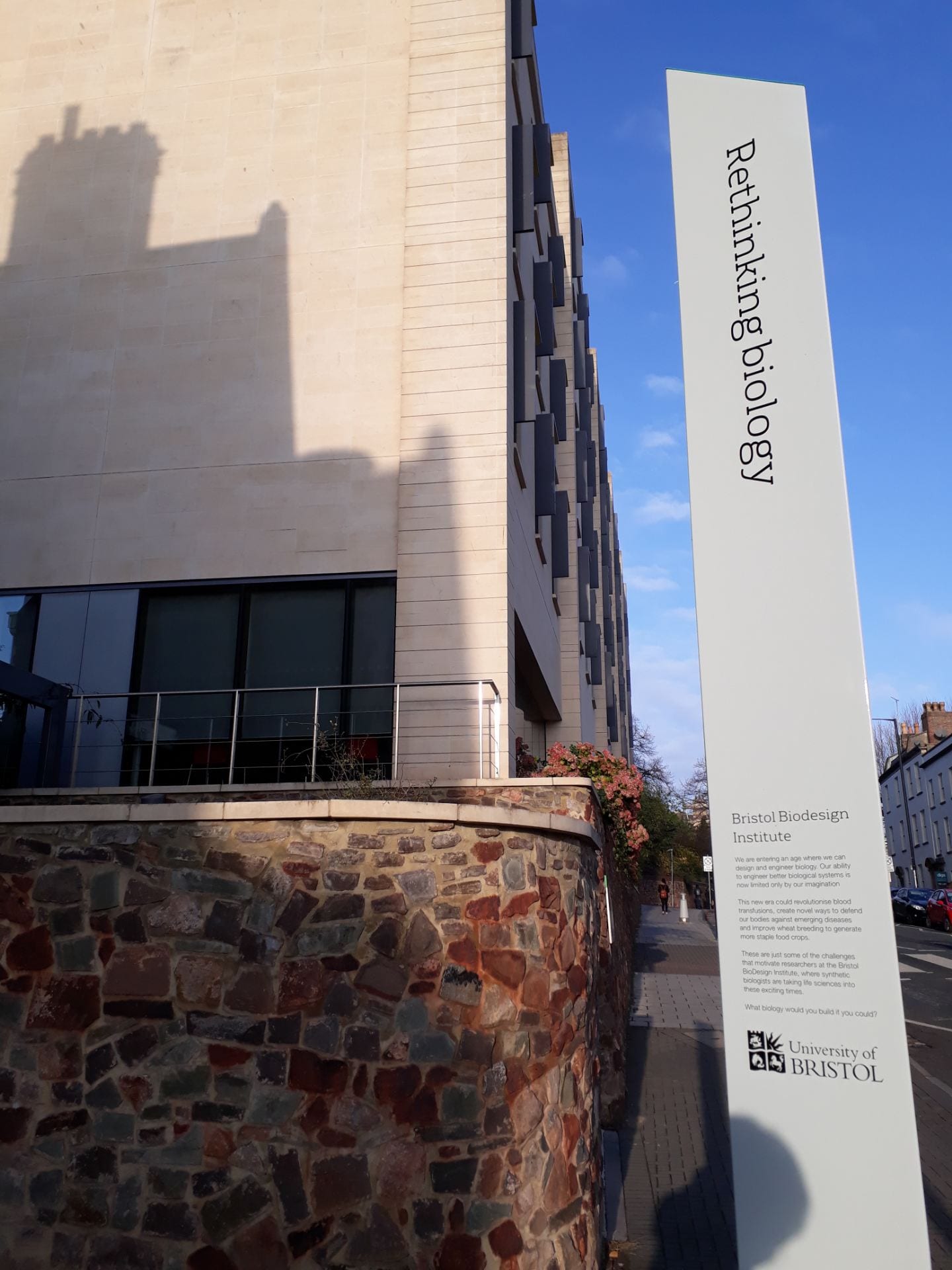
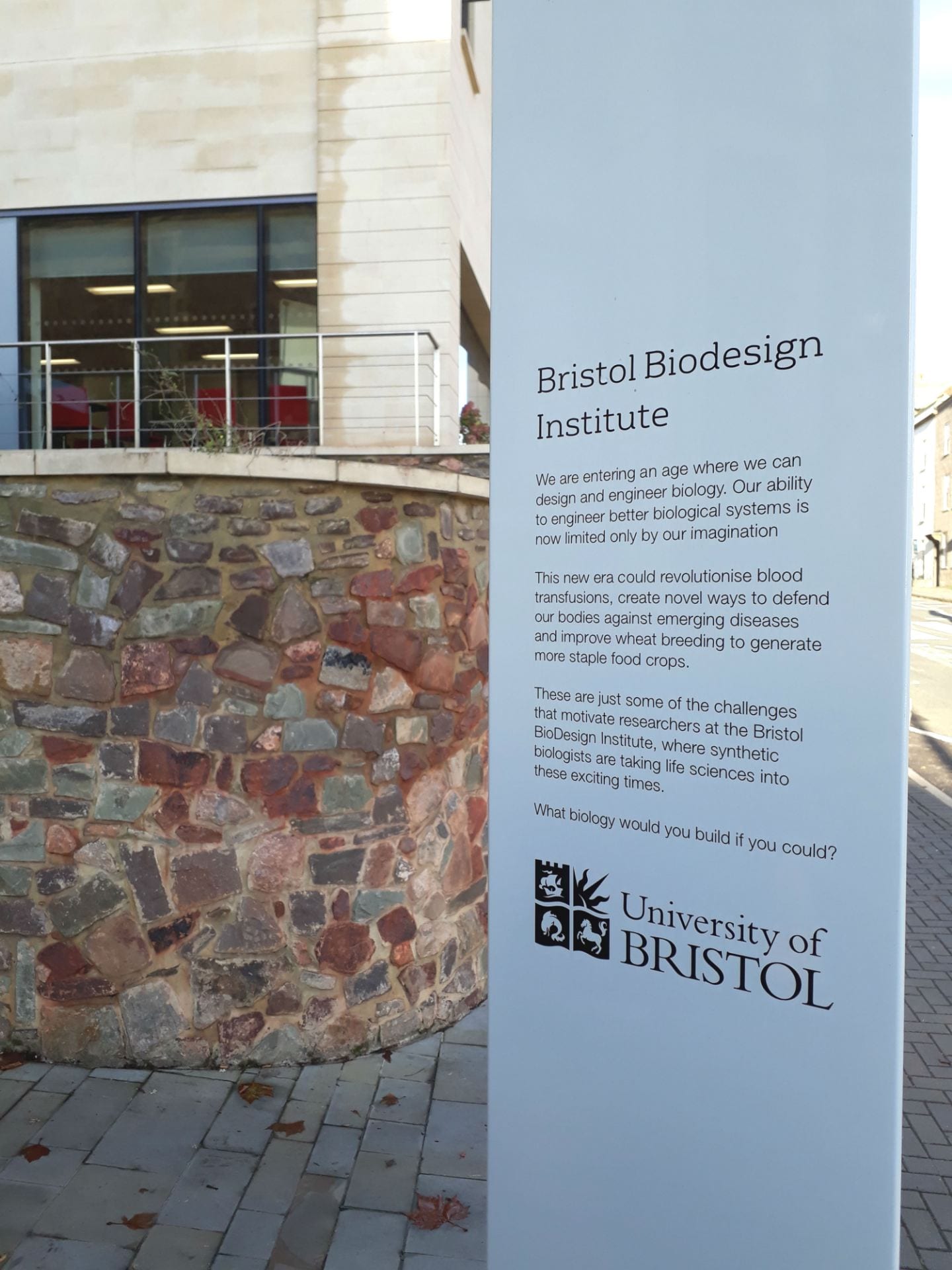
We are entering an age where we can design and engineer biology. Our ability to engineer better biological systems is now limited only by our imagination.

This new era could revolutionise blood transfusions, create novel ways to defend our bodies against emerging diseases and improve wheat breeding to generate more staple food crops.

These are just some of the challenges that motivate researchers at the Bristol BioDesign Institute, where synthetic biologists are taking life sciences into these exciting times.

What biology would you build if you could?

Posted in Public EngagementTagged Bristol, Bristol BioDesign, synthetic biologists, Totem

Recent Posts

  • Plant BioDesign PhD Programme: Designing Plant Systems for a Green Economy
  • Prof Dek Woolfson to lead new Centre for Protein Design
  • BBI Director elected Fellow of the Royal Society
  • BBI runs session at SynBioBeta 2025
  • ADDovenom: Pioneering new snakebite treatment

Categories

  • AI
  • BBI Seminars
  • BrisEngBio
  • BrisSynBio
  • Bristol BioDesign
  • Bristol BioDesign Events
  • Bristol BioDesign News
  • Centre for Protein Design
  • EngBioCDT
  • Health
  • Innovation
  • Jobs
  • Microbe Biosensor Project
  • PhD
  • Public Engagement
  • Spinouts
  • SynBioCDT
  • Uncategorized

Social Media

  • Twitter
  • LinkedIn
  • YouTube
  • Newsletter (MailChimp)

Our Websites

  • Bristol BioDesign Institute
  • BrisEngBio
  • BrisSynBio
© 2026 University of Bristol | Terms of use | Cookie preferences